
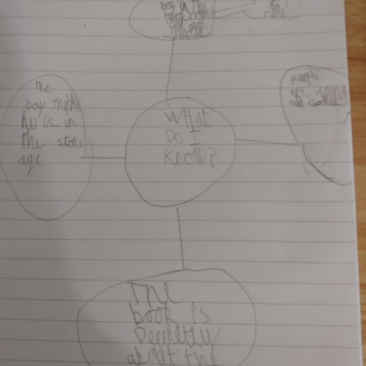
Daisie's Stone Age Bubble Map
Published 05/01/21, by Admin
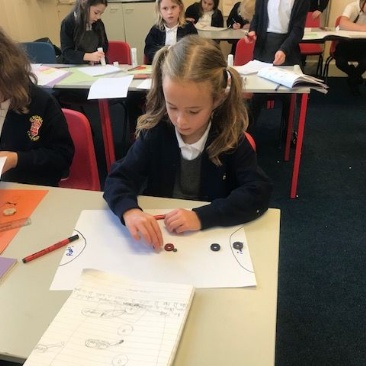
Well done Daisie, you could tell a lot just from the outside of the book.
Stay connected with Maple Class with our class blog!
Well done Daisie, you could tell a lot just from the outside of the book.

Remote learning for Thursday 7th Jan

Remote learning for Weds 6th Jan

While learning from home, you should be aiming for at least 30 minutes reading per day. This can be any type of text – fiction book, non-fiction, comic, newspaper etc. Also, have a listen to Mrs A reading the first Chapter of our new class book - Stig of the Dump by Clive King, just follow the link below.
This term we are going to be looking at Prehistoric Britain. As part of this we are going to be studying the book – Stone Age Boy. Have a look at the front cover of the book Stone Age Boy.

What do you think the book will be about? What things can you see on the front cover? What sort of story will it be? Who might enjoy it? Now read the blurb –
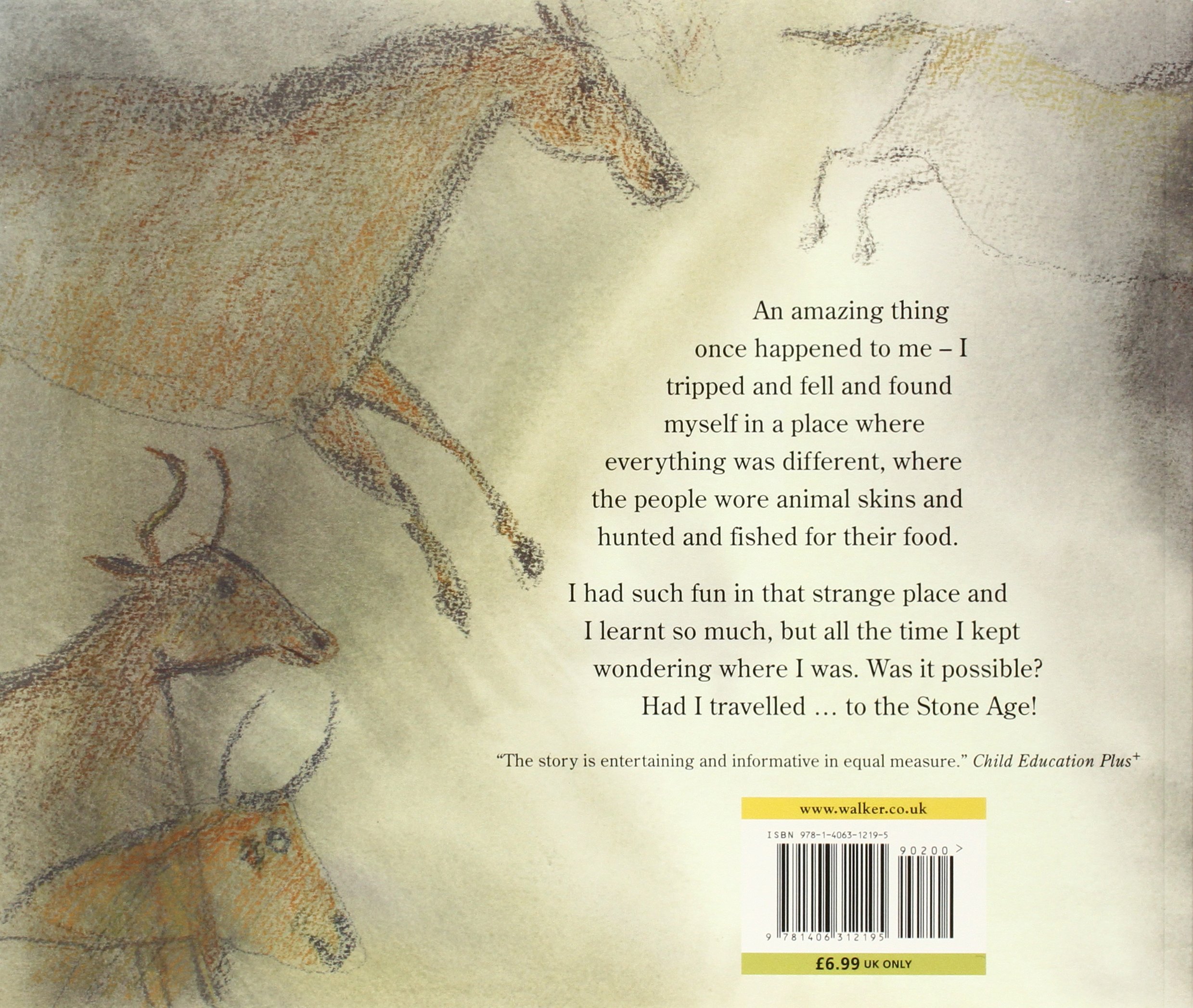
Where any of your predictions correct? How do the reviews on the back persuade you to read the book? What do you know about the Stone Age? Make a bubble map to show what you know at the moment. A template has been attached or maybe you could make your own.
Over the next 2 weeks we will be looking poetry. Read this poem by Michael Rosen
http://michaelrosenblog.blogspot.com/2016/03/poem-i-was-born-in-stone-age.html
or you can watch him perform it here
https://www.youtube.com/watch?v=tq3Q85aA_0k
Draw imagines from the poem. Talk to a grown up about what you think of the poem. Do you like it? Why? What do you/don’t you like? Why do you think he repeats ‘rock’ so much? What can you remember about how poetry is different to prose (story writing)?
You can write your ideas down or talk to an adult about them.
Number fluency – Please practise your times tables on Times Tables Rockstar’s
Multiplication - Today, we want you to watch the following learning video which is all about equal groups.
https://vimeo.com/469786596
When you have watched the video, please have a go at the worksheet attached to this blog post, we have attached two different levels. Pick the sheet that most challenges you. We have also added the answers so you can check and mark your own work. If you don’t have a printer don’t worry, you can just write down your answers and your workings.
We are starting our topic looking at Sikhism. By the end of this topic we want to be able to explain how Sikh people worship and celebrate.
Think about the big question for this term: What is important to Sikhs?
I wonder if you know anything about the Sikh religion and what might be important to them? Record your thoughts on the diagram attached below. You might also like to include any questions you have about Sikh people and their faith.
Meet Simran in this video clip, as she talks to you about her faith, Sikhism.
What things are important to Simran and other Sikhs? Add any new thoughts or ideas to the diagram above.

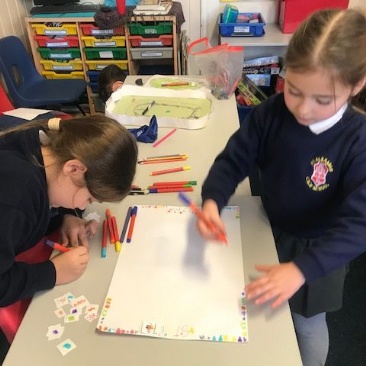
Week beginning 14 December - 11 sleeps till Christmas.
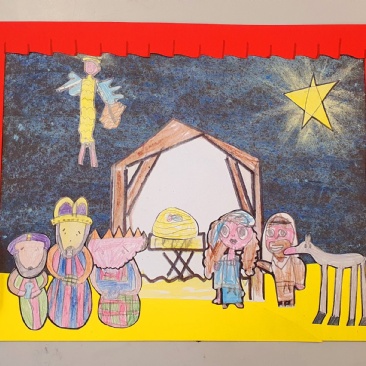
For obvious reasons, the Key Stage 1 Nativity has had to be a little different this year.
However, we are proud to announce that filming is now complete on our Virtual Nativity and we are just editing it all together.
We are planning on Premiering it as an unlisted video on YouTube on Wednesday 16th December at 5:30pm and we warmly welcome everyone in the St Barnabas School community to watch it with us.
As soon as the video is complete, we will generate a link and send it out to you via ParentPay. You can then follow this link directly to the video.
The video will become live at 5:30pm on Wednesday so we can sit down, have a glass of something delicious, and all watch the nativity together.
We are looking forward to it!
Merry Christmas
The Key Stage 1 Team
Week commencing 7th December - the Christmas countdown starts

Week commencing 30th Nov

Week commencing 23rd Nov - Gosh, week 4 already!

Week commencing 16th Nov

Week commencing 9th Nov