
Heera's Yes/No Diagram
Well done Heera. This is a fantastic Yes/No diagram.

Keep up to date with all the exciting activities and events happening in Year 2 by following us on our blog.
Well done Heera. This is a fantastic Yes/No diagram.

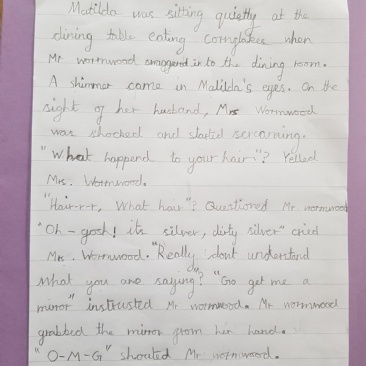
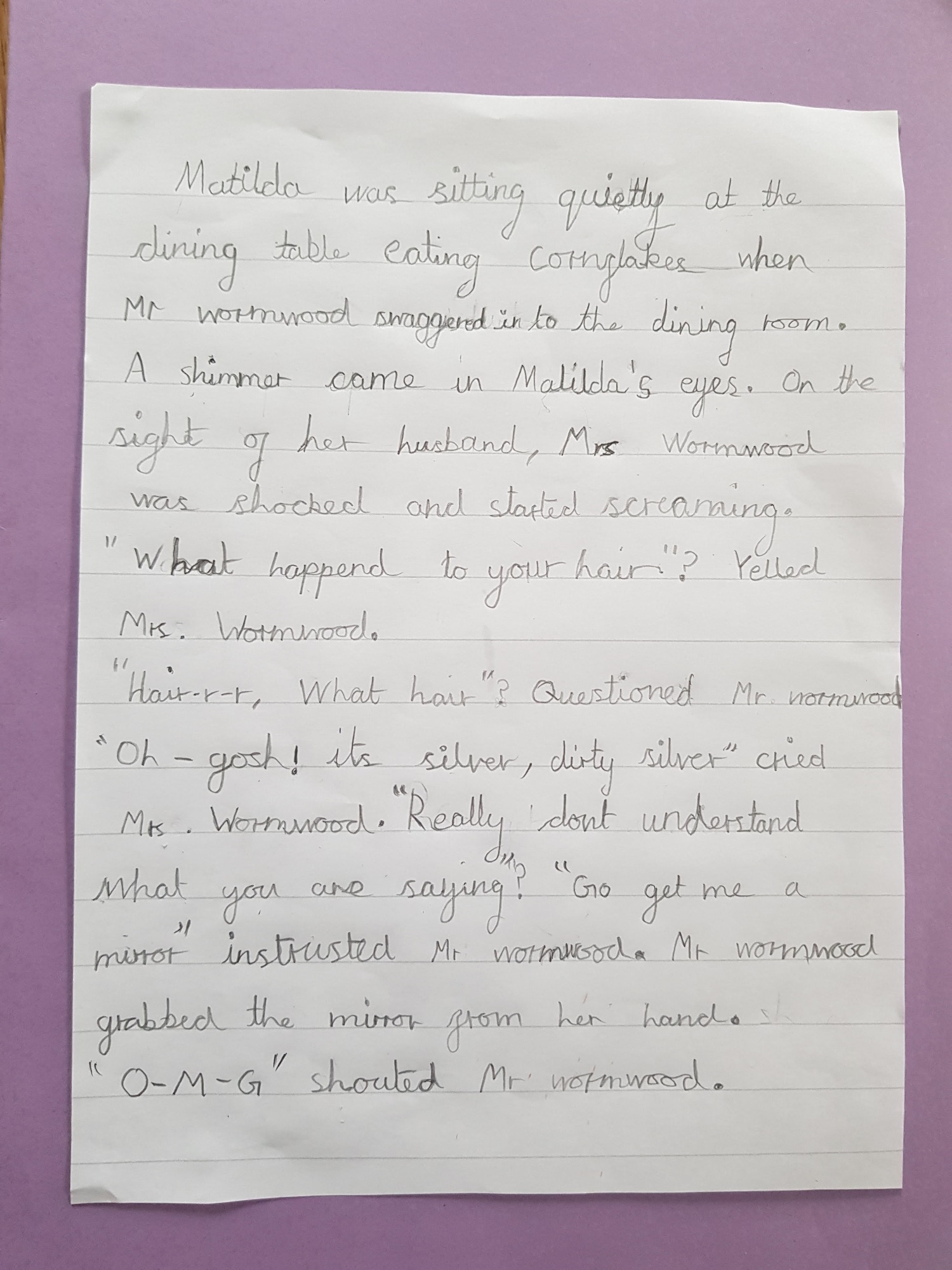
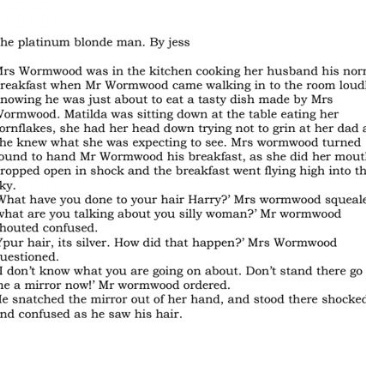
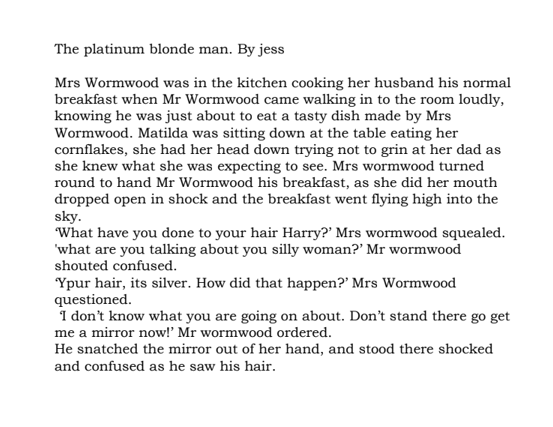
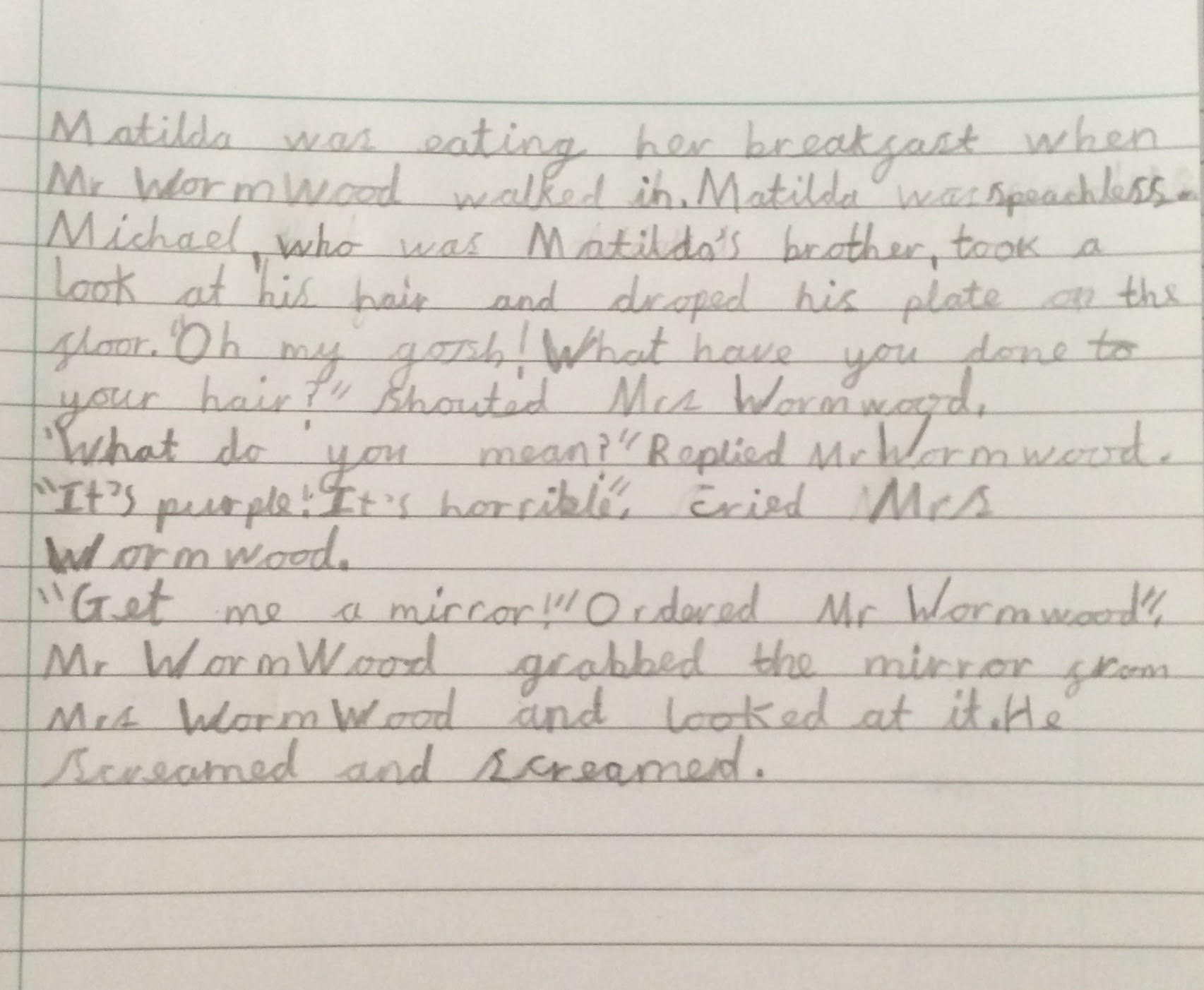
Well done Jessica. We love this description of Matilda.

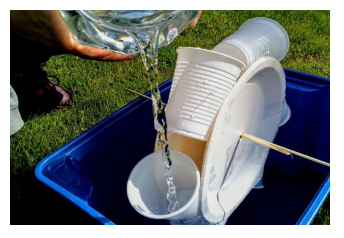
For this challenge, you will need lots of different cups.

Which might you choose if you wanted a lot to drink? Why?
Which one would you choose if you did not want a lot to drink? Why?
Make a prediction. Try to arrange the cups in a line from the one that holds the most liquid to the one that holds the least liquid.
Design a way of finding out if you were right or not.
Did you get the order right? How do you know for sure?
Well done Sai. This is a fantastic storyboard.

Wow! Alana- we love this Yes/No diagram.


Use the following questions to help you make up your mind.
Not doing any homework for a whole week
Is school like a job? Are there more excuses for not doing homework than schoolwork? What counts as a good excuse? Could there be good reasons for not doing any work?
Stealing from the school canteen / Stealing someone's lunch
Is stealing always wrong? Is it worse to steal from a person or an organisation? Who are you stealing from if you steal from a school?
Calling another pupil a bad name - Calling a teacher a bad name
Is calling someone names worse than hitting someone? Would a child feel worse than a teacher? Would you get punished worse for insulting a teacher than a child? Should you?
Hitting someone / Seeing someone hitting someone, and doing nothing about it / Hitting someone back
Can two wrongs make a right? Can you do something to someone that’s done it to you without it being bad?
Is watching someone get hit worse than watching someone fall over?
What a great story board. We love the illustrations and sentence starters you created.

Heera, we love the way you have created this living diagram.

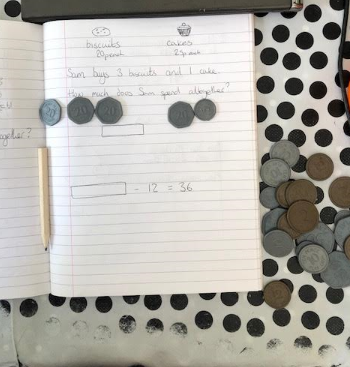
Daisie, it is great to see you using bar models and number-lines to solve these empty box calculations.

Equipment
Create your own labelled diagram of a plant including the following:
Roots – Anchor the plant into the ground and they absorb water and minerals from the soil.
Stem – Holds the plant upright and transports nutrients, minerals and water between the roots, leaves and flowers.
Leaf – Uses the sunlight’s energy to convert carbon dioxide and water into food for the plant (photosynthesis)
Flower – The reproductive organs of the plant are in the flower. The flowers are colourful and often fragrant to attract pollinators.
Bud – Protects the developing leaves and flowers.
Well done Daisie. We love the way you have story boarded this chapter of Matilda.

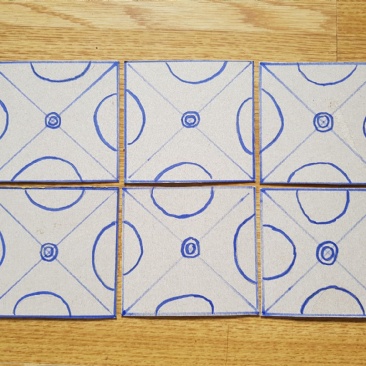
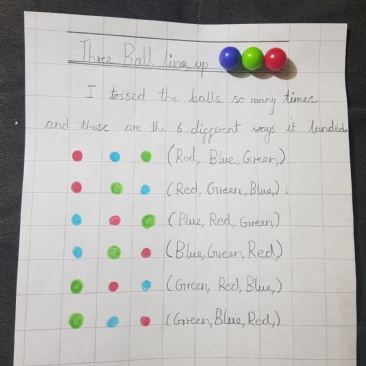
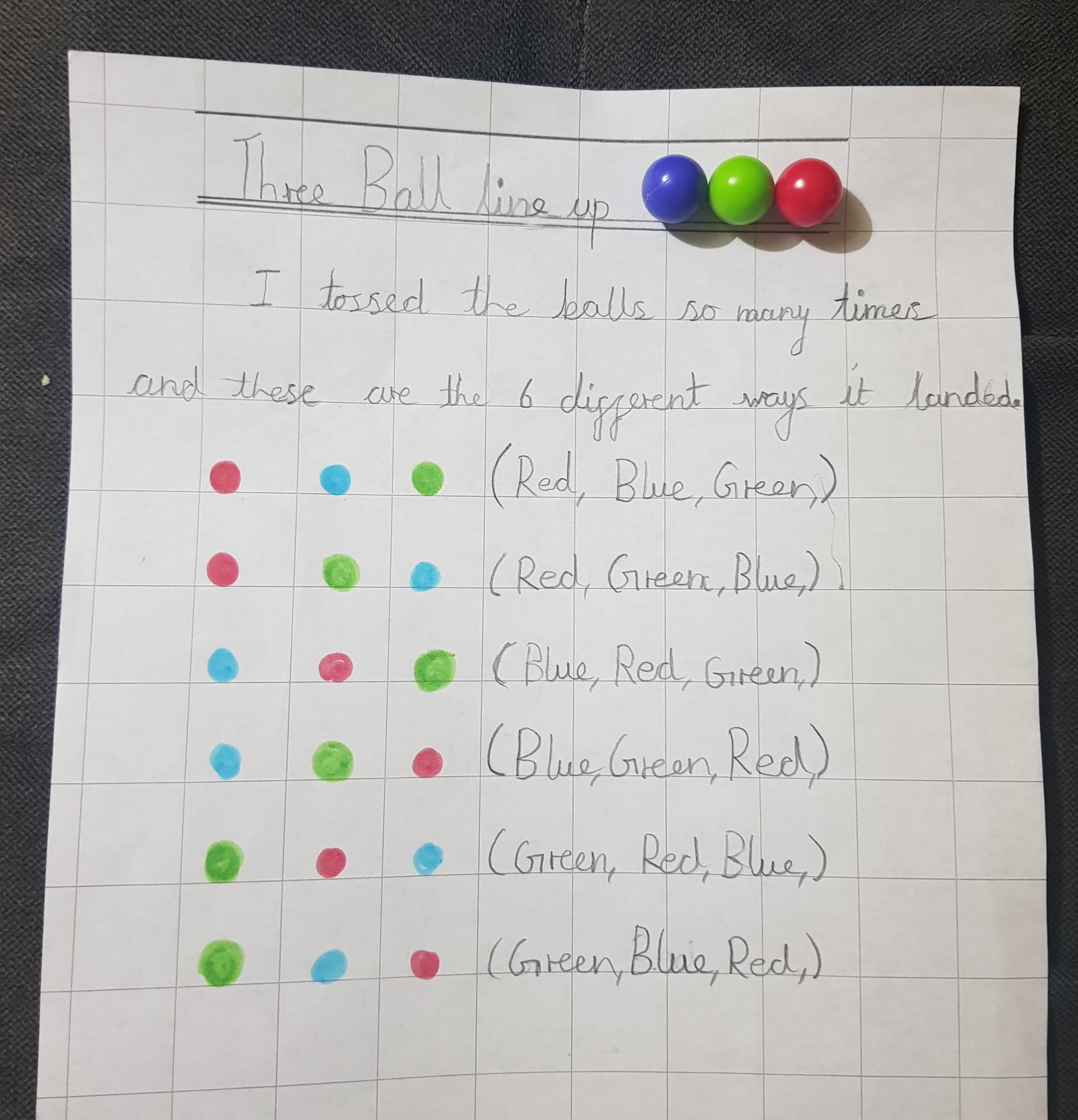
Well done Heera- we love the systematic way you completed this challenge.