Charlie's Sword and Shield
Published 04/03/21, by Charlie Mackinnon
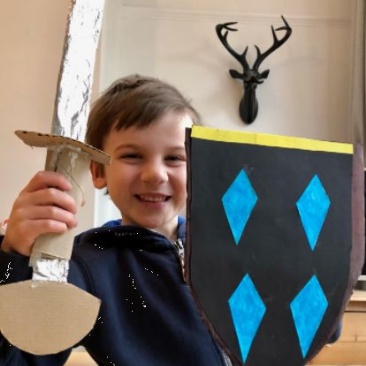
Charlie, we love the sword and shield you made. You look just like a real Mediaeval Knight!
Keep up to date with all the exciting activities and events happening in Year 2 by following us on our blog.
Charlie, we love the sword and shield you made. You look just like a real Mediaeval Knight!
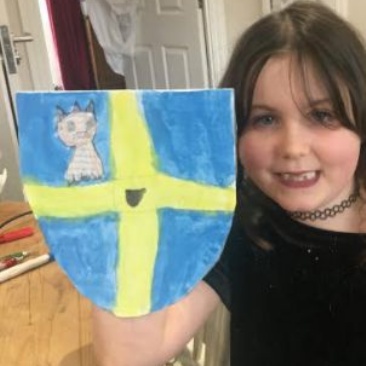
What a fantastic shield. I really like the charge you designed.

Remember to read at home for at least 20 minutes today.
We are not going to add any new English or Maths activities today so please use this as an opportunity to catch up with any activities you have missed out during the week.
Last week you designed and planned a board game. Here is a video to give you some ideas if you haven’t already designed it.
Now collect the materials you need and create your board game. Finally enjoy playing your game! Please do send in pictures of you playing your games. We would love to see them.
This week your challenge is to design and build a vehicle with wheels. Think carefully about the following questions:
-How many wheels will your vehicle have?
-What will the wheels be made out of?
-How will the wheels be attached to the body of the vehicle?
-What will you make the body of the vehicle from?
-What shape and size will the body of the vehicle look like?
-How will the vehicle be powered? You might like to build a wheeled vehicle that is powered by pushing or gravity powered. However, if you are looking for an extra challenge:
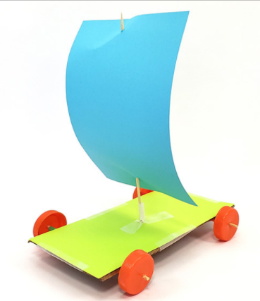
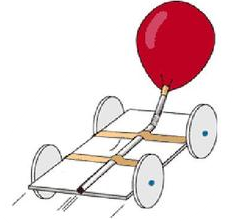
If you are looking for inspiration, take a look at the vehicle that Henry in Willow Class made:
If you complete a design or build a wheeled vehicle, please send us in a picture so we can post it on your class blog and share your work in celebration assembly.
If you have already designed and built a wheeled vehicle. Can you design and build a vehicle that moves without wheels?
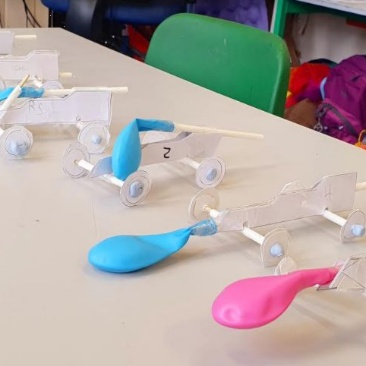
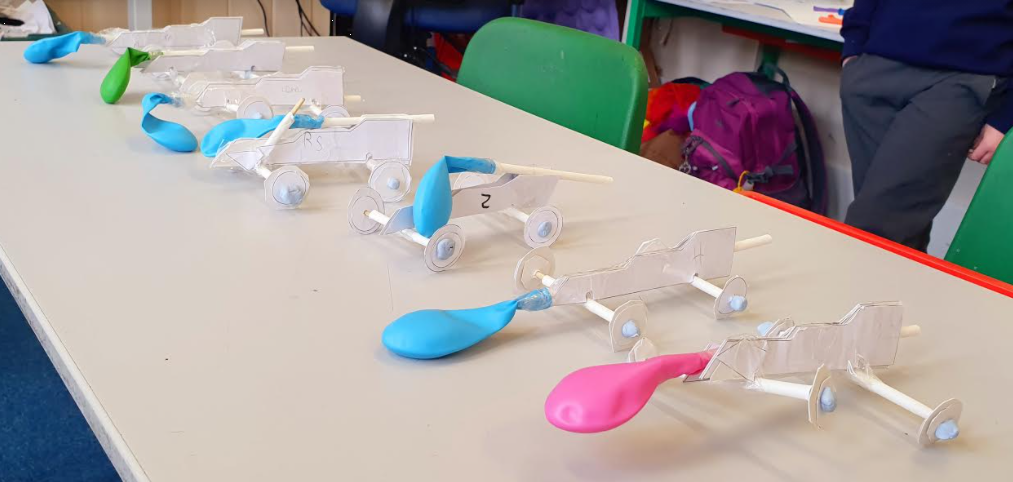
Here are the rocket cars that we built in class yesterday as part of STEM week:

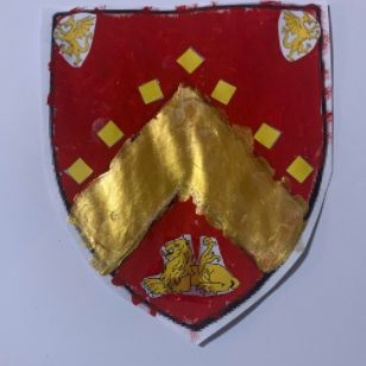
Oscar- we love this coat of arms. You have really thought about the colour, ordinary and charge. Well done!
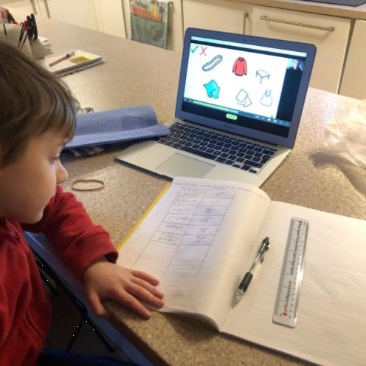
Charlie, we love the way that you used a table to record your science investigation.
Well done!
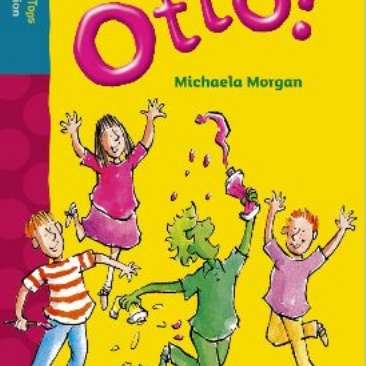
Here is what Eva thought about this book:
I like this book because Otto was green and he was very silly and they all said oh Otto a lot.
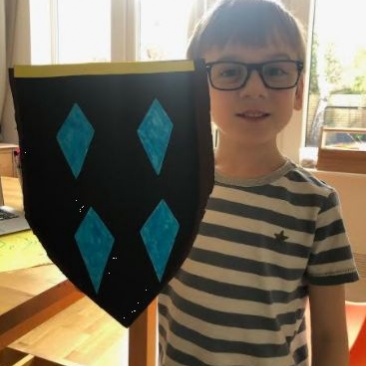
Wow! Charlie, we love the way you have designed this coat of arms. You have clearly given a lot of thought to the colour, the ordinary and the charge. Well done.

Today we are going to focus on solving finding the difference questions. Start by attending the live session.
Now try the ‘Find the Difference Activity’ attached to this blog.
If you need extra help, try watching this video:
Aut2.11.3 - Find the difference on Vimeo
Or you could re-watch the live lesson from today:
You can find the link to this session by visiting the following site:
Sevenoaks School Outreach Activities: STEMagination Week 2021
Click on the Wednesday 3rd March activities and find today’s ‘Design and 3D print a rocket-car based on Bloodhound SSC’ Workshop. Click on the Teams Event Live Link. It will take you to this page:

Feel free to download the App if you wish. Alternatively, you can still watch the session by watching it on a web browser.
An introduction to 3D printing with BLOODHOUND Education. Learn about the Bloodhound project and its attempt to break the land speed record by travelling at 1000 miles an hour in a specially designed rock car. Learn about 3d printing and the Bloodhound LSR. Build your own rocket car and race it. This workshop is led by Mr Alex Colenso, Head of Technology at Sevenoaks School.
Those taking part would need the following materials:
-Safety Scissors
-Car template
-Glue stick/Sello Tape
-Foam sheet or cardboard from small delivery box
-Barbeque skewer
-1 straw
-1 Balloon.
Make sure your read at home for at least 20 minutes today. Log on to the Oxford Owl website, and select a book. Create a mini book review in which you explain what you thought about the book.
Start by watching Mr M’s learning video.
Then go back to Mr M’s shop. Pick 2 items and work out the difference in value between the two items. Repeat this process for at least 5 pairs of items.
Complete the Humanism activity attached to this post.

Today we are going to continue to use efficient methods for calculating change. We will also explore how this skills can be used as part of a 2-step problem.
Start by attending the live lesson.
Once the live lesson is over pay another visit to Mr M’s shop. Pick an item from the shop. Which coin or note are you going to use to pay for it? Use the ‘Finding the Difference’ technique to calculate the change you would get from the shop keeper. Repeat this process for at least 5 separate items.
Extension: Can you write a 2-step problem like Mr included in the live lesson. When you have written the 2-step problem, send it in so Mr M can try to work out the answer.
Here is the link to the video of today's lesson:
It will be live for 24 hours after filming.
Remember to read at home for at least 20 mins today. Also, please tune into the next chapter of The Witches.
This term, we are learning all about Knights and Castles. Today, we want you to design your own coat of arms. Start by completing some research on mediaeval heraldry.
Follow this link to find out how to design your coat of arms:
A beginner's guide to heraldry | English Heritage (english-heritage.org.uk)
Step 1: Pick a colour
Step 2: Pick a heraldic ordinary
Step 3: Pick a heraldic charge
You can use the English Heritage website and the attached activity pack to support you.
When you have designed your coat of arms, please send in a picture so we can add it to the blog.
Repeat the activity from yesterday but with taking away multiples of 10. You can find out everything you need to know by watching Mr M’s learning video:
Which material is the stretchiest?
In this lesson, we will be learning about elasticity. You will test a variety of household materials and will measure and compare their elasticity. You will need a piece of paper, a pencil and some household objects which will be explained in the video.
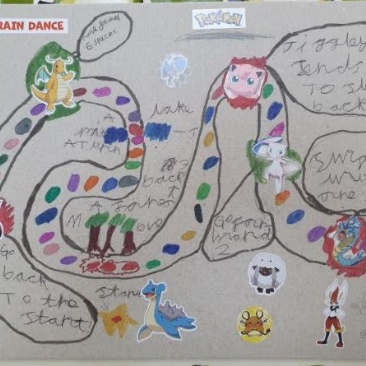
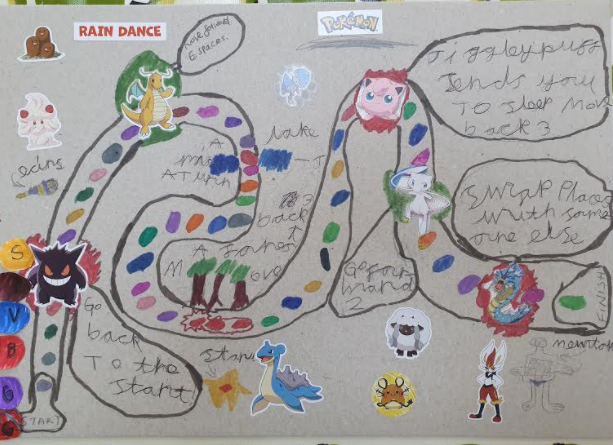
Jake, we really love this board game!